Maximize Longevity: The Complete Resource for Metal Roof Coatings for Commercial Buildings
Metal roof coatings serve a vital function in enhancing the durability and lifespan of commercial roofs. These coatings defend against environmental threats including UV rays and moisture, supporting lasting operational efficiency. Recognizing the different types on the market and their unique advantages is crucial. Additionally, applying the correct installation methods and upkeep routines can significantly impact overall effectiveness. Yet, many property owners overlook key factors when selecting coatings, leading to costly mistakes. What should they consider to maximize their investment?
Understanding Metal Roof Coatings and Their Importance
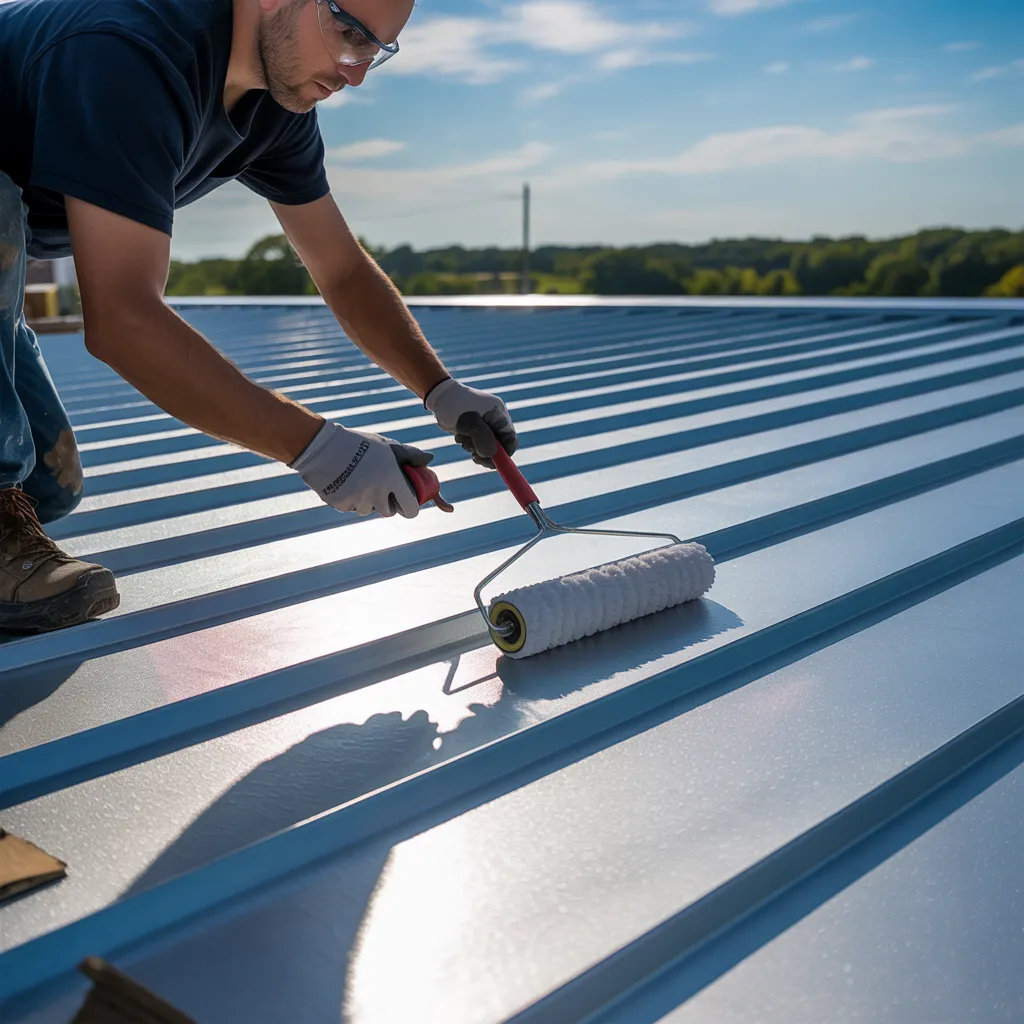
Metal roof coatings function as a protective barrier for commercial roof systems, boosting durability and long-term performance. These protective coatings, generally composed of materials like polyurethane, silicone, or acrylic, establish a seamless barrier that defends against environmental elements such as extreme temperatures, UV rays, and moisture. By applying a metal roof coating, property owners can significantly reduce the risk of corrosion, rust, and leaks, which may undermine the structural integrity of the roof.
Moreover, these protective coatings improve energy efficiency by reflecting solar radiation, thereby lowering cooling costs. The coating application process is generally uncomplicated, often resulting in minimal interference to ongoing business activities. Additionally, such coating systems can increase the longevity of existing roof systems, making them a cost-effective solution for ongoing maintenance needs. To conclude, metal roof coatings not only defend but also boost the general performance of commercial roof systems, rendering them an critical factor for property management and maintenance strategies.
Primary Benefits of Metal Roof Coatings for Durability and Effectiveness
Using metal roof coatings offers numerous advantages that considerably boost both longevity and efficiency for commercial structures. A key advantage is the defense against external elements, such as wind, UV radiation, and rain, which can cause early degradation. This defensive coating helps extend the lifespan of the roof, decreasing the requirement for routine repairs or replacements.
Additionally, metal roof coatings enhance energy efficiency by redirecting solar rays, thereby cutting cooling costs. This reflective property helps maintain a steady indoor temperature, contributing to a more enjoyable environment.
Additionally, these coatings help reduce the risk of rust and corrosion, continuously defending the foundational strength of the roof. By sealing small leaks and gaps, they improve moisture resistance, stopping harm caused by water penetration. Overall, the installation of metal roof coatings ensures longevity while also encouraging energy savings, making them a wise investment for commercial building owners looking for durability and cost efficiency.
Finding the Right Metal Roof Coating for Maximum Durability
Selecting the right coating for your metal roof is critical for maximizing longevity and performance. Several variables affect this determination, including surrounding conditions, roofing angle, and specific building requirements. Superior solutions, such as polyurethane, silicone, or acrylic, offer significant qualities. Silicone roof coatings offer superior waterproofing and UV resistance, making them ideal for locations prone to significant rainfall. Acrylic roof coatings are known for their reflectivity and energy efficiency, which can lower cooling expenses. Polyurethane options feature outstanding resistance to wear and durability, ideal for heavily trafficked surfaces.
Additionally, proper surface preparation is vital for optimal adhesion and lasting results. It is recommended to choose coatings with a demonstrated history of success in commercial applications. Ensuring compatibility with existing roofing materials will also improve the longevity of the roofing structure. Ultimately, the optimal selection will correspond to particular environmental factors and performance standards, ensuring a durable, cost-effective solution for commercial metal roofs.
A Comparison of Metal Roof Coatings: Which Option Fits Your Needs?
When evaluating a coating for your metal roof, it is essential to understand the distinct advantages of acrylic and silicone options. Acrylic coatings stand out for their budget-friendly nature and straightforward application, while silicone coatings provide exceptional durability and outstanding moisture resistance. Evaluating these characteristics can help determine the best fit for specific roofing needs.
Acrylic Coatings Benefits
Acrylic coatings offer a variety of benefits that make them a popular choice for commercial metal roofs. One significant benefit is their outstanding UV resistance, which works to preserve the integrity and look of the roof over time. These water-based coatings, making them eco-friendly and simple to apply. Additionally, acrylic coatings are exceptionally flexible, enabling them to expand and contract with changing temperatures without breaking down. Their affordability also contributes to their appeal, delivering solid protection without excessive expense. Beyond that, acrylic coatings are available in various colors, allowing property owners to improve appearance while maintaining practical performance. Collectively, these qualities establish acrylic coatings as a trusted solution for those in need of durable and high-performing metal roof options.
Benefits of Silicone Coatings
Multiple benefits make silicone coatings a superior option for metal roofs on commercial buildings. These products feature superior resistance to UV radiation and extreme weather conditions, improving the durability of the roof. This flexibility supports effective dimensional changes, minimizing the risk of cracking. Additionally, silicone coatings are exceptionally reflective, contributing to energy efficiency through reduced cooling demands. They additionally offer excellent bonding characteristics, creating a lasting bond with the underlying metal. Moreover, silicone coatings are proven resistant to mold and mildew development, supporting improved air quality indoors. Maintenance is simplified, as they can be cleaned and recoated with ease. All things considered, silicone coatings offer a durable and cost-effective solution for protecting commercial metal roofs against environmental challenges.
Roof Coating Application Steps
Applying roof coatings involves several critical steps to secure long-lasting performance and efficiency. Initially, thorough surface preparation is necessary to achieve ideal adhesion, accompanied by specific application techniques that enhance overall coverage. Finally, understanding the curing and drying process is essential to the longevity of the coating.
Surface Preparation Essentials
Proper surface preparation is critical to achieving optimal results with roof coatings. The procedure starts with a comprehensive inspection to identify any damage, rust, or debris on the metal roof. Surface cleaning is essential; employing a pressure washer or suitable cleaning solution eliminates dirt, grease, and old coatings that could compromise adhesion. After cleaning, the roof must be permitted to dry thoroughly. Subsequently, treating any rust spots with an appropriate rust-inhibiting primer aids in preventing further deterioration. Additionally, repairs to any seams or flashing should be conducted to guarantee a uniform surface. Ultimately, verifying that the surface is clear of moisture and contaminants will extend the lifespan and effectiveness of the applied roof coatings.
Application Methods Overview
Successfully performing the process get details on this of applying roof coatings demands a systematic approach to guarantee maximum effectiveness and long-term results. To begin, make sure the surface is dry, clean, and free from debris, as this improves adhesion. Following that, identify the suitable coating type based on the particular requirements of the metal roof. It is advisable to use a primer if necessary, enhancing the adhesion process. When applying the coating, employ uniform strokes with a brush, roller, or sprayer, making sure the coating is evenly distributed. Pay special attention to seams and edges, where leaks are most prone to develop. Several thin layers are typically preferred over one thick coat, as they allow for better adhesion and drying. Finally, make certain that all safety measures are observed throughout the entire application procedure.
The Curing and Drying Process
Curing and drying are fundamental steps in the process of applying roof coatings, influencing both performance and durability. Throughout the curing stage, chemical interactions develop that attach the coating to the surface, strengthening adhesion and resilience to environmental conditions. This phase generally demands optimal temperature and humidity conditions, which need to be tracked diligently to confirm thorough curing.
Evaporation, on the other hand, refers to the vaporization of solvents, permitting the layer to harden. Variables such as air circulation, coating thickness, and ambient conditions can significantly impact the time needed to dry. It is important to prevent foot traffic or exposure to moisture during both stages to prevent defects. Observing the manufacturer's recommendations guarantees the lasting quality and efficiency of the roofing coating.
Helpful Tips to Maximize the Longevity of Your Metal Roof Coating
Preserving a metal roof coating is essential for optimizing its performance and lifespan. Routine inspections are a key factor; homeowners should look for evidence of damage, such as cracking, peeling, or discoloration. Regularly cleaning the coating helps prevent the buildup of dirt and debris, which can trap moisture and lead to corrosion. Employing a mild detergent with a soft brush or light pressure wash is suggested for effective cleaning without damaging the coating.